Automatic Roof Roll Forming Production Line
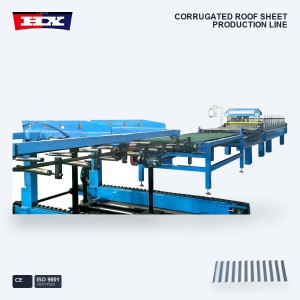
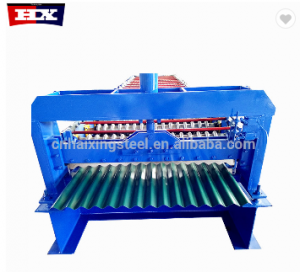
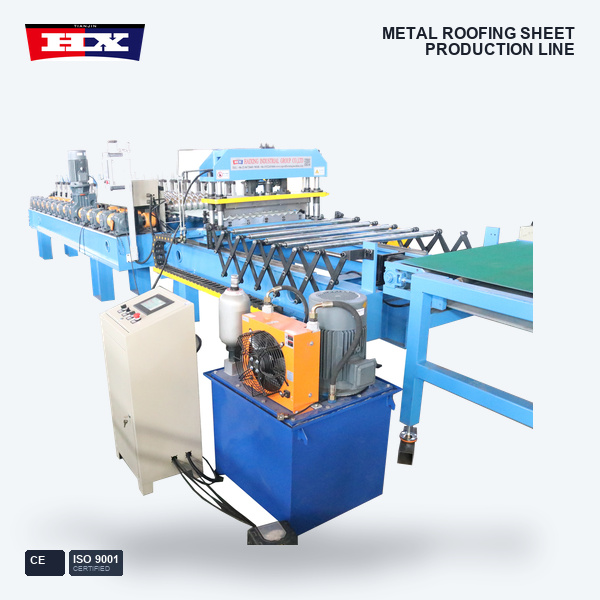
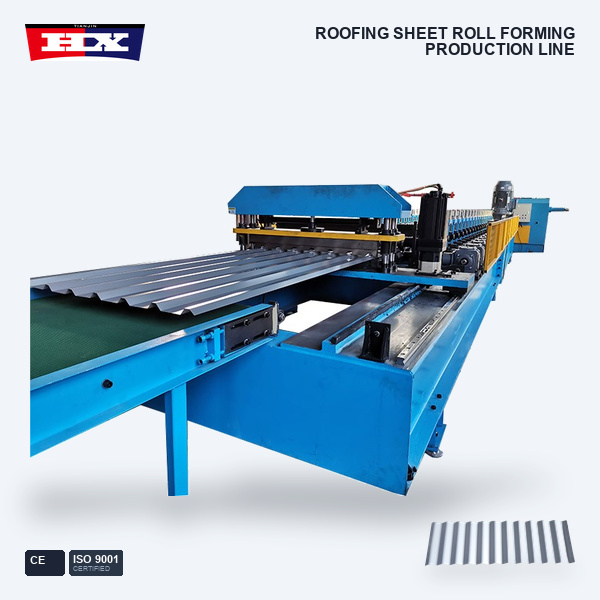
Haixing Automatic Roof Roll Forming Production Line is designed for continuous manufacturing of metal roofing sheets used in industrial buildings, warehouses, commercial facilities, and residential construction. Integrating roll forming, servo tracking cutting, and automatic stacking, this production line provides an integrated solution for roofing sheet manufacturers seeking an organized and efficient production process.
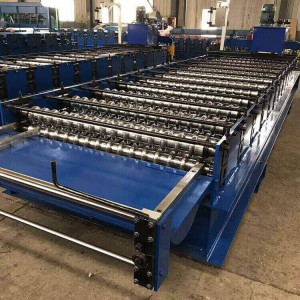
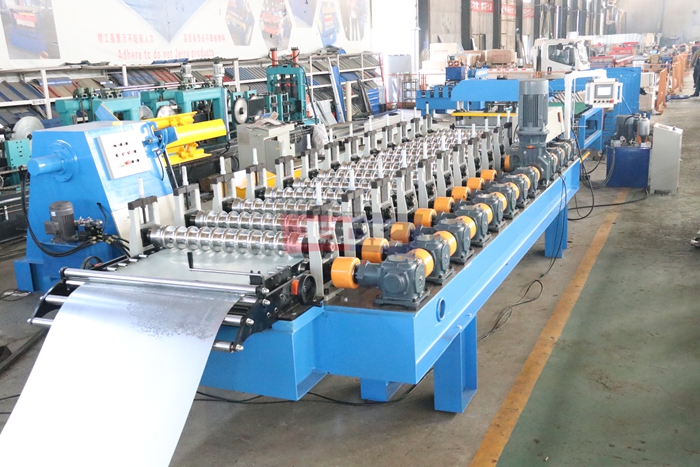
The production line adopts a gearbox-driven middle plate structure to support the roll forming system. Combined with servo tracking cutting technology and an automatic stacking unit, the equipment coordinates the main production processes from metal coil feeding to finished sheet collection.
Servo Tracking Cutting System
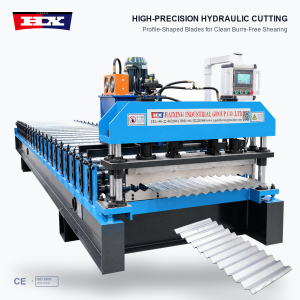
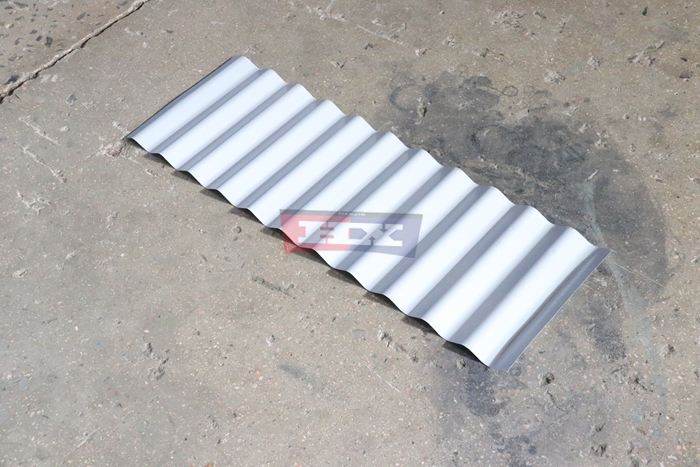
The servo tracking cutting system is an important part of this automatic roofing sheet production line. It is designed to coordinate the cutting operation with the movement of the formed metal sheet, helping achieve the required sheet length during continuous production.
Compared with a conventional stop-and-cut process, tracking cutting is designed to reduce interruptions during the forming process. The cutting length and control settings can be configured according to the roofing profile, material specifications, and production requirements.
This solution is suitable for manufacturers who need consistent finished panel lengths and a coordinated production workflow. Actual cutting performance depends on the machine configuration, material characteristics, and operating conditions.
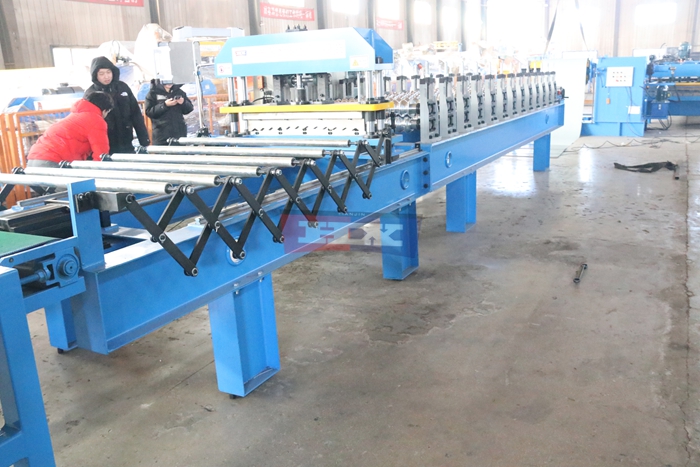
Gearbox-Driven Middle Plate Structure
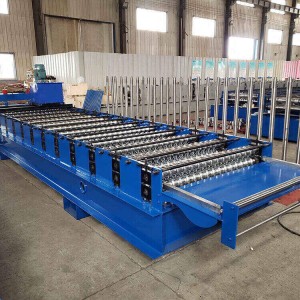
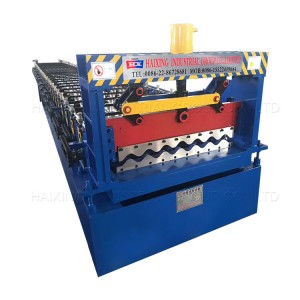
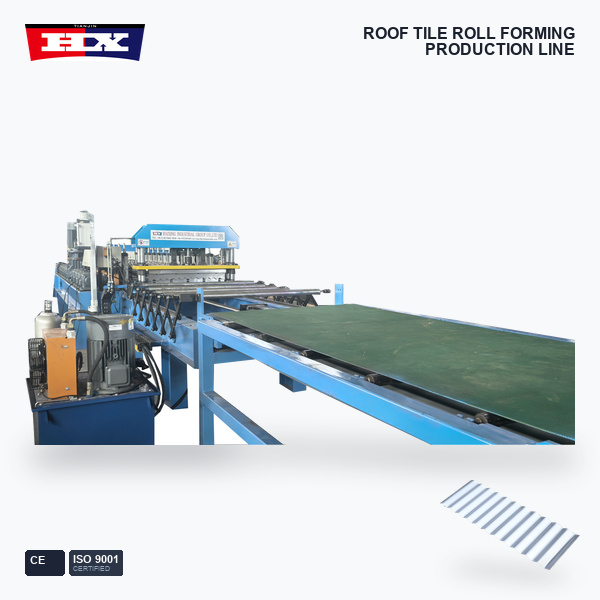
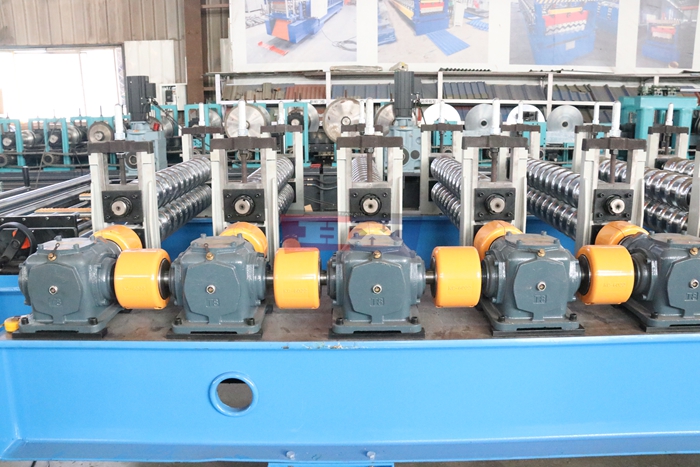
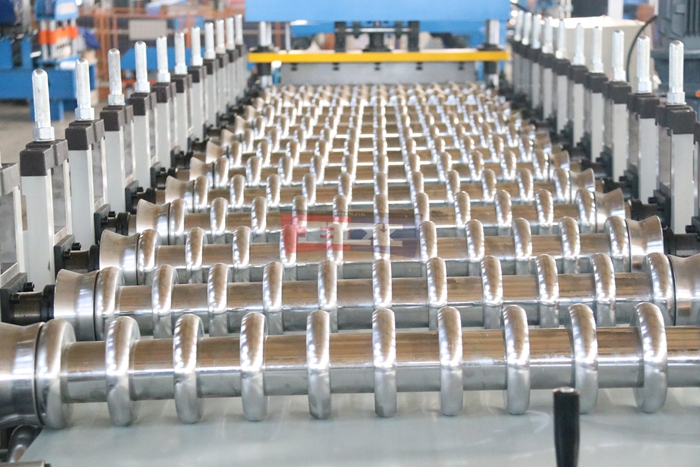
The machine uses a gearbox transmission system with a middle plate structure to drive the roll forming equipment. The gearbox transfers power to the forming system, while the machine frame provides structural support for the roller stations.
This transmission design is intended for stable power delivery during continuous metal sheet forming. The mechanical structure, roller arrangement, and transmission components can be selected according to the target roofing profile and required material specifications.
For customers evaluating a roof sheet roll forming line, the transmission structure is an important consideration because it affects machine layout, maintenance planning, and the overall equipment configuration.
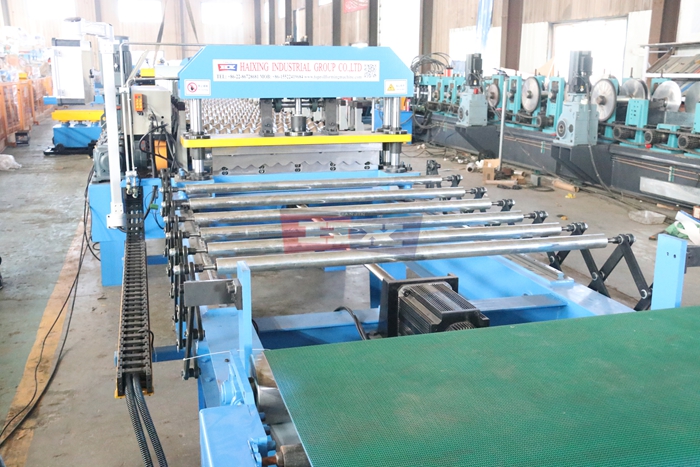
Automatic Stacking for Finished Roofing Sheets
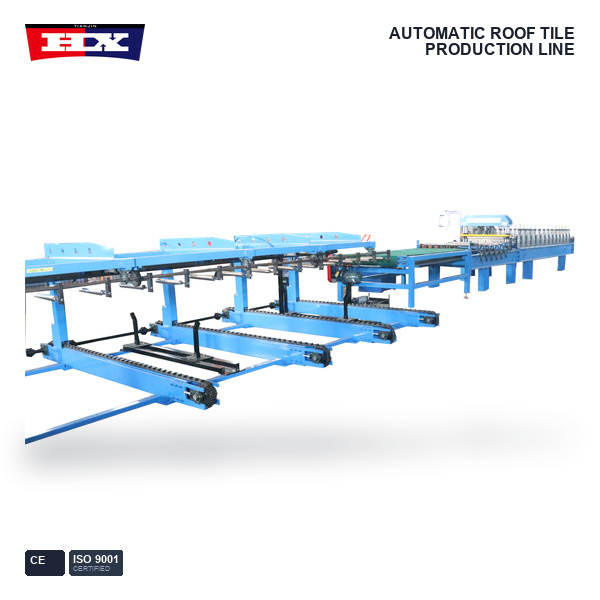
After forming and cutting, finished roofing sheets can be transferred to the automatic stacking system for organized collection. Automatic stacking helps reduce manual handling during the finished-product stage and makes it easier to prepare sheets for packaging, storage, or transportation.
The stacking configuration can be considered according to the sheet profile, cutting length, production requirements, and factory layout. Integrating automatic stacking with the roll forming and cutting processes helps create a more coordinated production line.
Integrated Roofing Sheet Manufacturing Process
A complete automatic roof roll forming production line can be configured around the customer’s manufacturing requirements. Depending on the selected equipment, the main production process may include:
- Coil loading and decoiling: Feeding metal coil material into the production line.
- Material guiding: Guiding the metal strip into the roll forming section.
- Roll forming: Gradually shaping the flat metal strip into the specified roofing profile.
- Servo tracking cutting: Cutting the formed sheet to the required length.
- Automatic stacking: Collecting and arranging finished roofing panels.
By coordinating these processes, the production line can support continuous roofing sheet manufacturing with integrated cutting and finished-product handling.
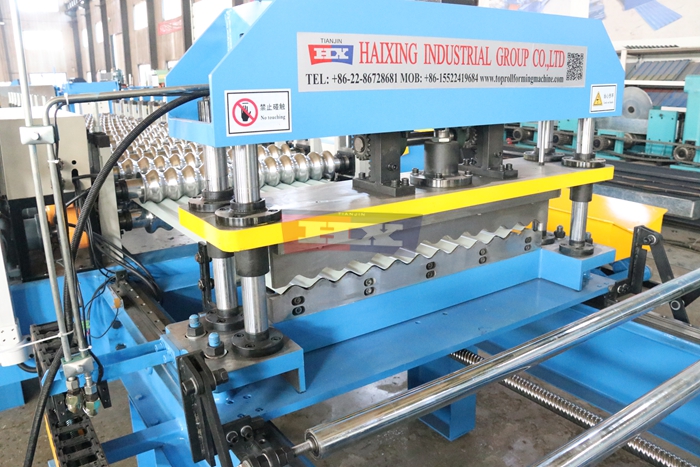
Customized Roofing Sheet Profiles and Machine Configuration
Different markets and construction projects require different roofing sheet profiles. Haixing can evaluate the machine configuration according to the customer’s profile drawing or physical sample.
To help determine a suitable production line, please provide the following information:
- Roofing profile drawing: Profile shape, wave height, pitch, and dimensions.
- Effective sheet width: Required coverage width of the finished roofing panel.
- Raw material: Such as galvanized steel or pre-painted steel.
- Material thickness: Required thickness range for production.
- Cutting length: Standard or customized finished sheet lengths.
- Production requirements: Expected output, automation needs, and factory layout.
Based on these details, our engineering team can assess the forming rollers, gearbox transmission, servo tracking cutting system, and automatic stacking configuration for your project.
Why Choose Haixing?
Since 1996, Haixing has focused on cold roll forming technology and the development of metal profile production equipment. We provide machinery solutions for roofing sheets, wall panels, purlins, and other construction-related metal profiles.
For automatic roofing sheet production projects, we consider the complete manufacturing process rather than only the roll forming section. The combination of gearbox transmission, servo tracking cutting, and automatic stacking helps customers evaluate an integrated equipment solution based on their production needs.
Our team can assist with profile evaluation, machine configuration, production planning, and technical support. Each proposed solution is assessed according to the customer’s product specifications and equipment requirements.
Request a Quote for an Automatic Roof Roll Forming Line
Are you looking for an automatic roofing sheet production line with servo tracking cutting, gearbox transmission, and automatic stacking? Haixing can help evaluate a suitable machine solution for your manufacturing project.
Please send us your roofing profile drawing or sample, material thickness, effective width, cutting length, and expected production requirements. Our team will review your information and recommend a suitable production line configuration.
Contact Haixing today to discuss your automatic roof roll forming production line and get a customized equipment proposal.