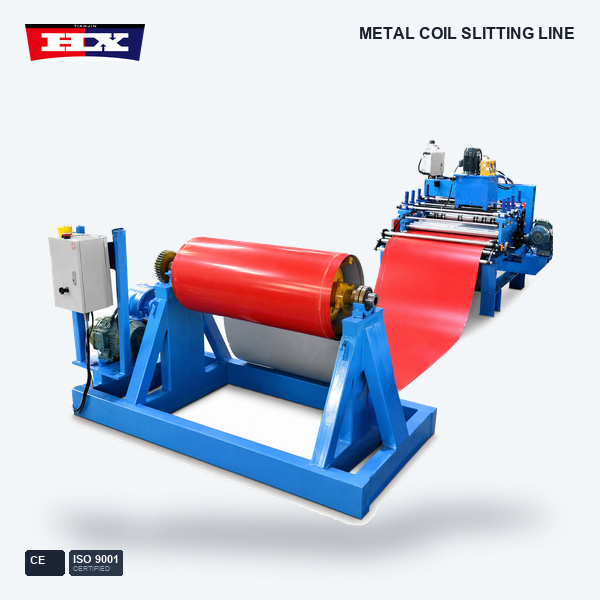
Steel Coil Slitting Line
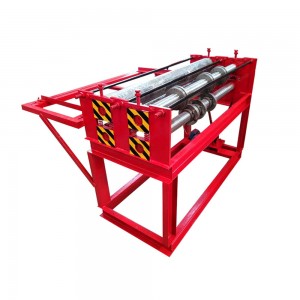
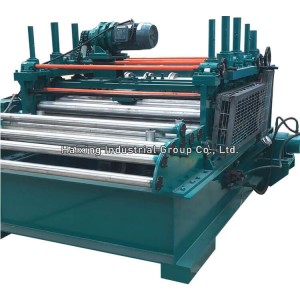
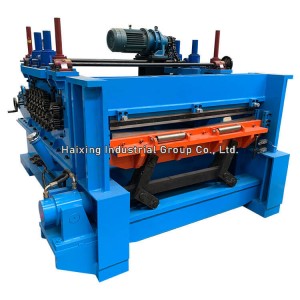
Haixing Steel Coil Slitting Line is designed to process wide metal coils into multiple narrower strips through a continuous longitudinal slitting process. It is widely used in steel service centers, metal processing factories, cold roll forming plants, and other industries that require accurately slit coil materials for further manufacturing.
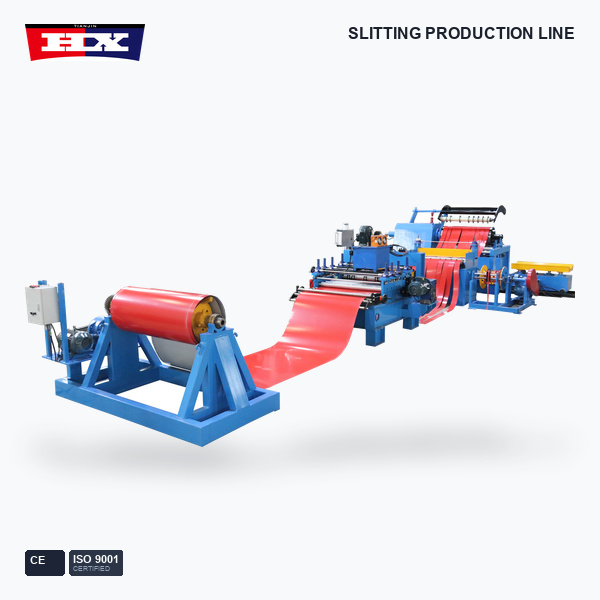
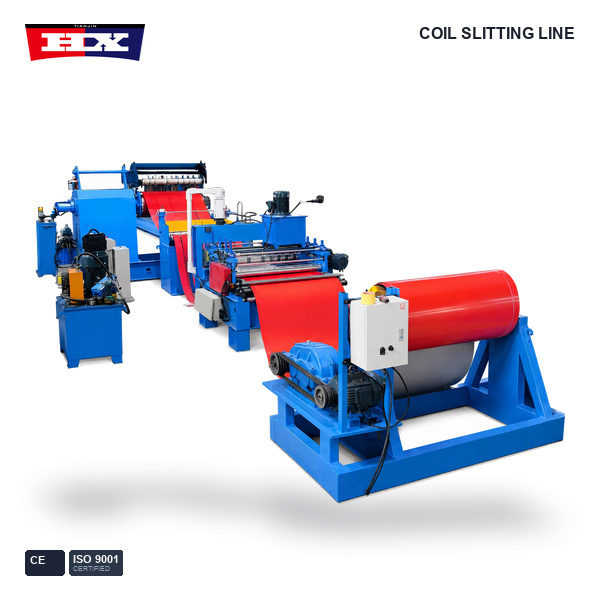
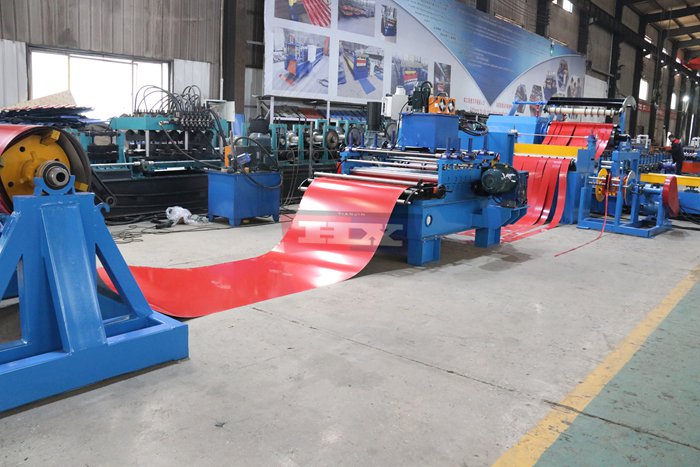
The production line combines coil loading, uncoiling, strip guiding, longitudinal slitting, tension control, and recoiling processes. By dividing a wide master coil into narrower strips, the equipment prepares raw materials for downstream production processes such as roll forming, stamping, and metal profile manufacturing.
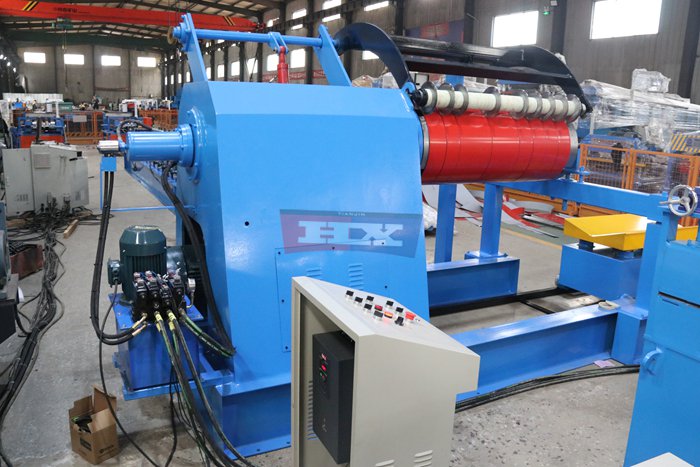
How Does a Steel Coil Slitting Machine Work?
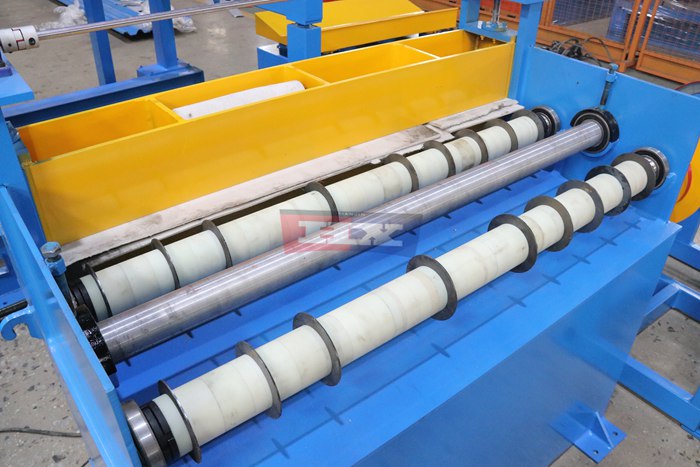
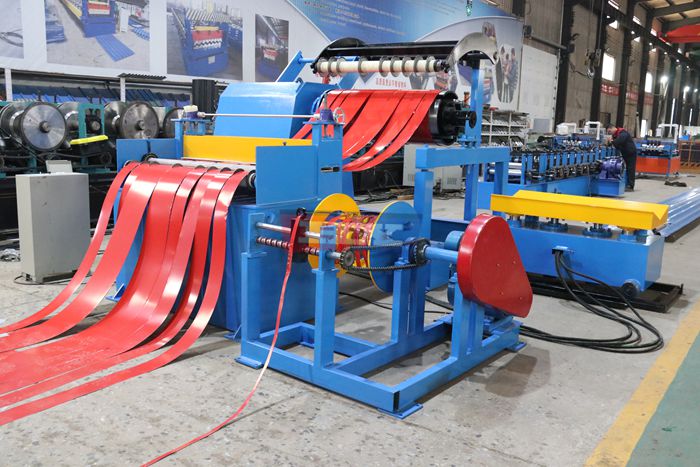
A steel coil slitting machine processes metal coils by cutting a wide strip into several narrower strips along its length. The master coil is first loaded onto the uncoiler and fed into the slitting section. Circular slitting knives then divide the material according to the required strip widths.
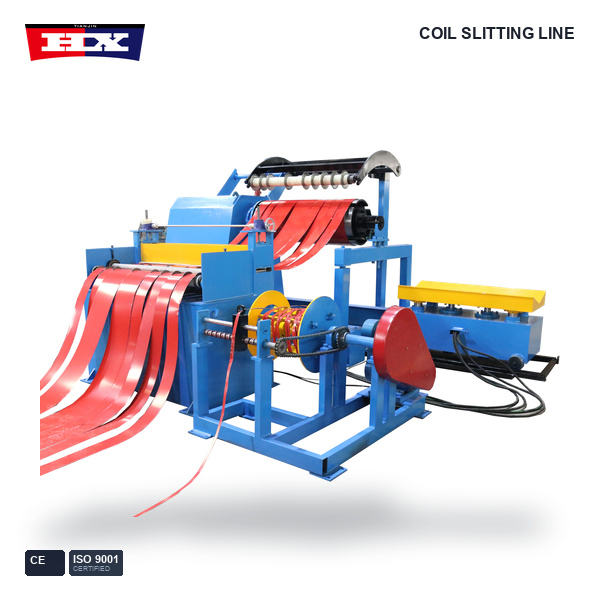
After slitting, the individual strips pass through the relevant guiding and tension-control sections before being collected by the recoiler. The resulting narrow coils can then be used directly in subsequent manufacturing processes.
The slitting knife arrangement, strip width, and operating configuration are determined according to the customer’s material specifications and finished-strip requirements.
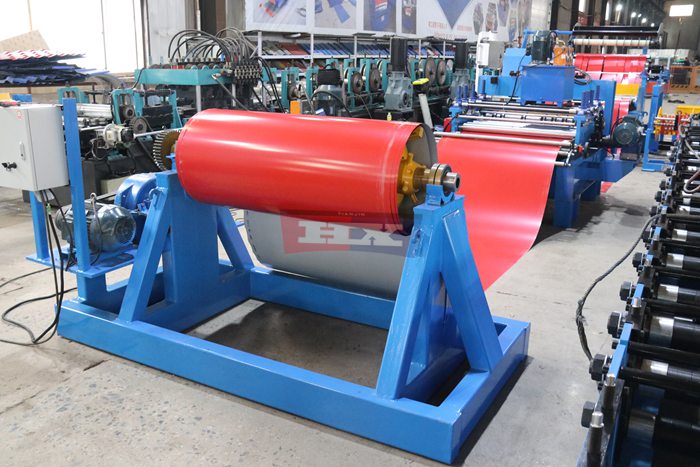
Main Components of a Metal Coil Slitting Line
A complete metal coil slitting line consists of several coordinated sections. Each section performs a specific function in the coil processing workflow.
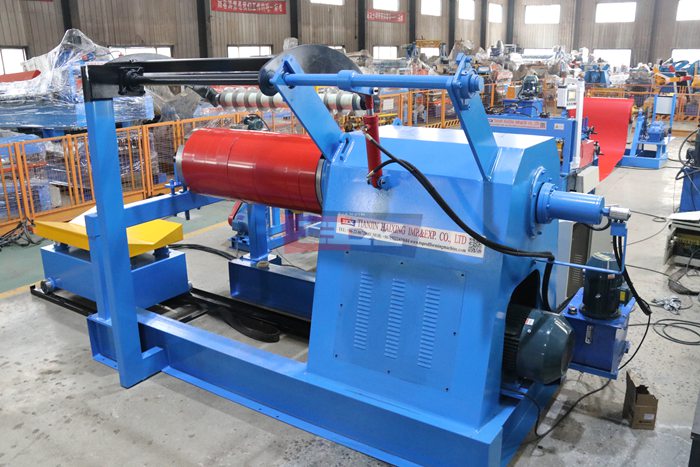
- Uncoiler: Supports and releases the master coil for continuous processing.
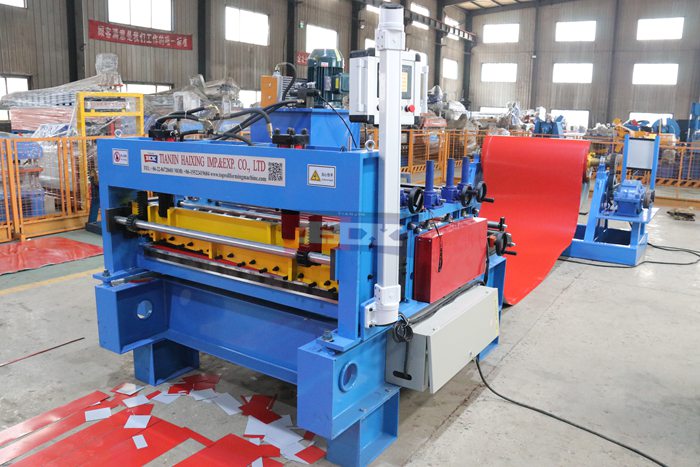
- Feeding and guiding system: Guides the metal strip into the slitting section.
- Slitting unit: Uses circular cutting knives to divide the wide coil into narrower strips.
- Scrap winding system: Collects edge trim when included in the machine configuration.
- Tension control section: Helps maintain appropriate strip tension during processing.
- Recoiler: Collects the slit strips into finished narrow coils.
- Hydraulic and electrical control systems: Support the operation and coordination of the production line.
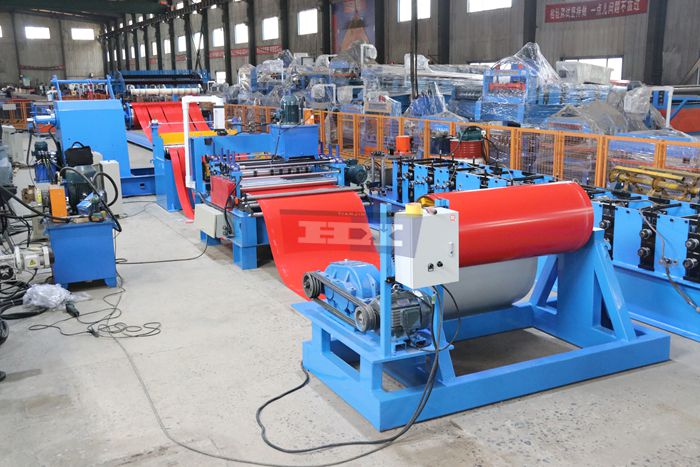
Customized Steel Strip Slitting Solutions
Different metal processing applications require different strip widths, material specifications, and coil dimensions. Haixing can evaluate a suitable steel strip slitting line according to the customer’s raw material and finished-product requirements.
Important technical information for machine selection includes:
- Material type: Carbon steel, galvanized steel, stainless steel, or other compatible metal materials.
- Material thickness: Required thickness range of the master coil.
- Coil width: Maximum and minimum incoming coil width.
- Coil weight: Required loading and processing capacity.
- Finished strip width: Width of each narrow strip after longitudinal slitting.
- Slitting quantity: Number of strips required from each master coil.
- Coil inner and outer diameter: Specifications for uncoiling and recoiling.
These details help determine the slitting knife arrangement, machine structure, tension-control configuration, and coil handling capacity.
Applications of Steel Coil Slitting Equipment
Slit steel coils are important raw materials for many metal manufacturing processes. By converting wide master coils into narrower strips, a coil slitting line helps prepare materials for different production requirements.
- Cold roll forming: Narrow steel strips for purlin, roofing, wall panel, and other profile production lines.
- Steel service centers: Custom-width coil processing for downstream customers.
- Metal stamping: Strip materials for stamping and forming operations.
- Automotive components: Metal strips for compatible component manufacturing processes.
- Construction materials: Coil preparation for metal building products and structural profiles.
Advantages of a Properly Configured Coil Slitting Line
A suitable coil slitting line helps manufacturers process master coils into strip materials that match their production specifications. The configuration of the slitting knives, guiding equipment, tension-control section, and recoiler should be selected according to the material and finished-strip requirements.
- Multiple strip production: Divides one wide master coil into several narrower strips.
- Flexible strip widths: Slitting arrangements can be planned around the required finished widths.
- Continuous coil processing: Supports continuous longitudinal cutting and recoiling operations.
- Downstream material preparation: Supplies slit coils for roll forming, stamping, and other metal processing applications.
- Project-based configuration: Equipment specifications can be evaluated according to coil dimensions and production needs.
Why Choose Haixing?
Since 1996, Haixing has focused on metal processing and cold roll forming equipment development. Our equipment solutions serve manufacturers working with roofing sheets, wall panels, purlins, and other metal profiles.
We understand that coil slitting requirements vary according to material type, coil dimensions, finished strip widths, and downstream applications. Our team can review these specifications and evaluate an appropriate slitting line configuration for your production process.
From raw material handling to slit coil collection, the equipment layout can be planned around the customer’s factory conditions and manufacturing requirements.
Request a Quote for a Steel Coil Slitting Line
Are you looking for a steel coil slitting line for your metal processing factory? Haixing can help evaluate a suitable solution based on your master coil specifications and finished strip requirements.
Please provide the material type, thickness, maximum coil width, coil weight, required strip widths, number of strips, and coil dimensions. If available, please also share your production capacity requirements and factory layout.
Contact Haixing today to discuss your steel coil slitting project and receive a customized equipment proposal.