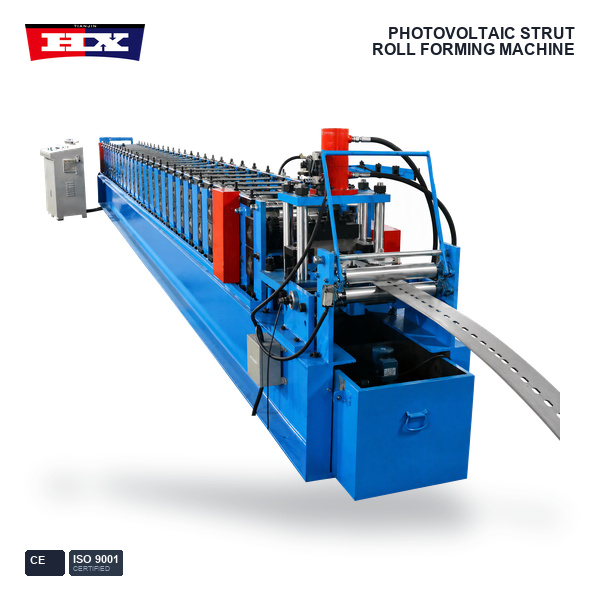
Solar Mounting Rail Roll Forming Machine for Photovoltaic Systems
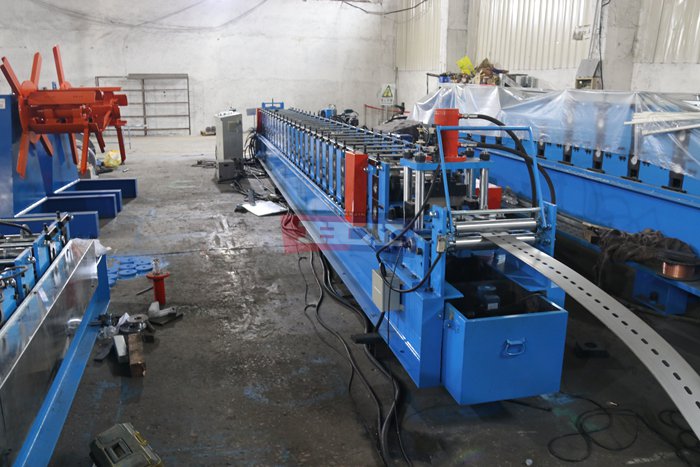
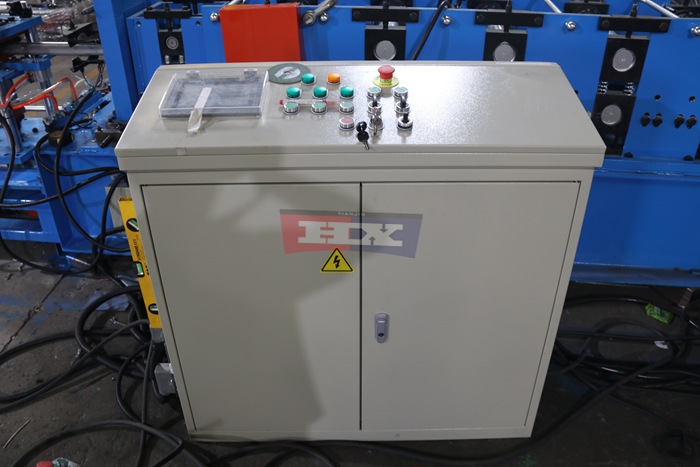
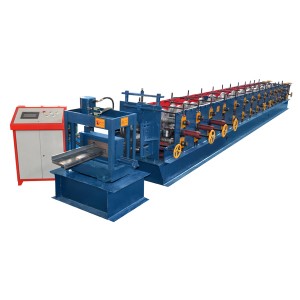
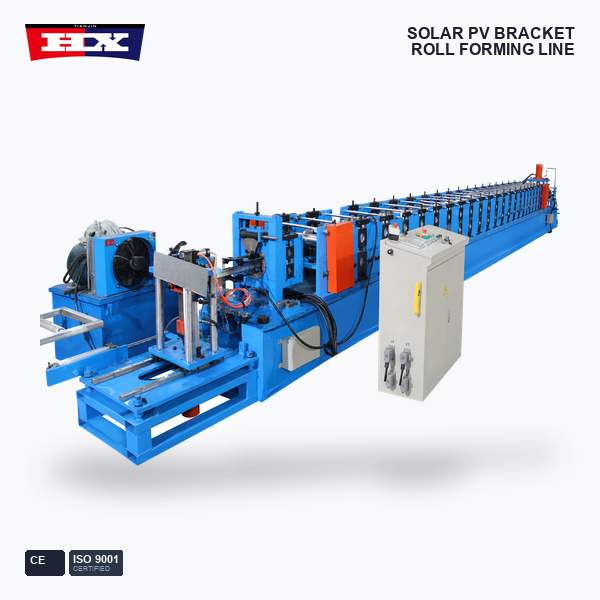
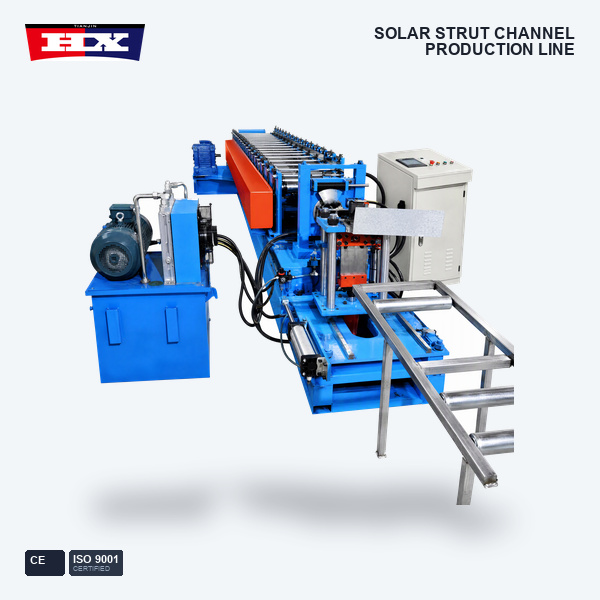
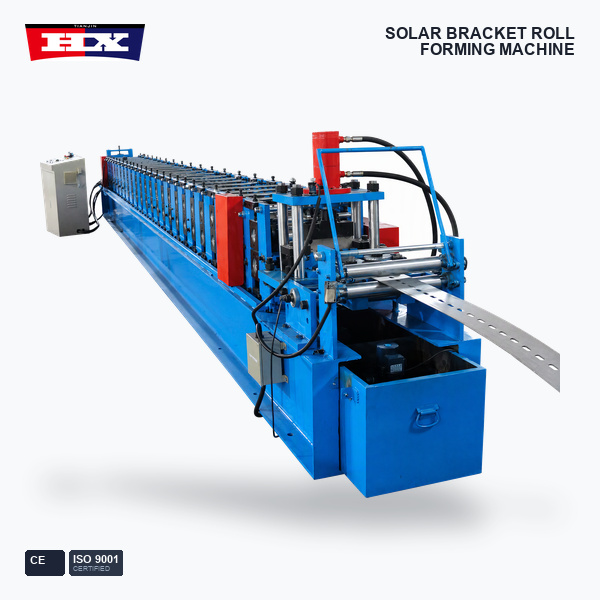
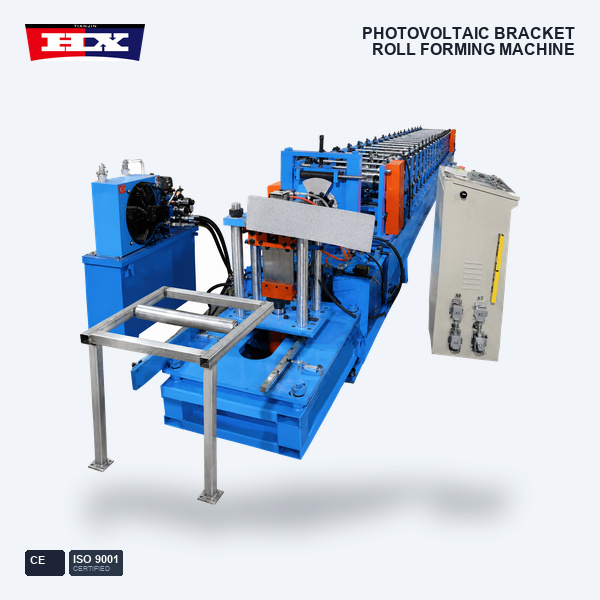
Haixing provides solar mounting rail roll forming machines for manufacturers producing metal rails and support profiles used in photovoltaic installation systems. The equipment is designed for customized profile manufacturing according to product drawings, material specifications and production requirements.
Solar mounting rails are important components of photovoltaic support structures. They provide mounting positions and connection points for solar panels and related structural components. Different solar installation systems may require different rail dimensions, cross-sectional shapes and connection designs. A customized roll forming machine helps manufacturers produce the required metal profiles for their specific mounting systems.
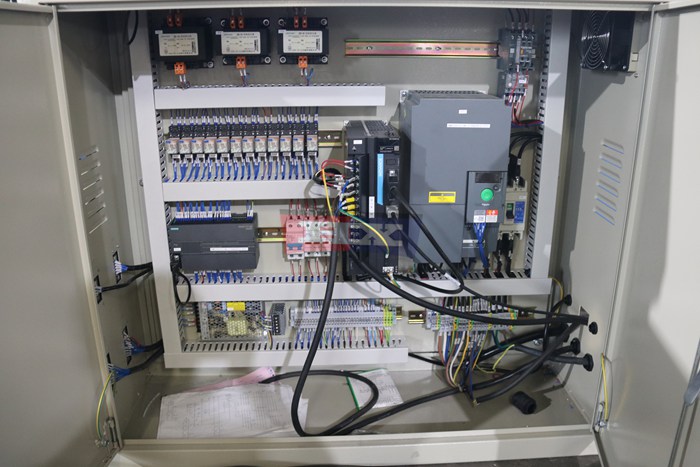
Customized Solar Mounting Rail Production
Solar mounting rails are available in different cross-sectional designs depending on the installation structure and connection method. Manufacturers may require C-shaped, U-shaped or other customized metal rail profiles. The actual design depends on the mounting system and the structural requirements of the finished product.
Haixing develops roll forming equipment based on customer profile drawings. Before machine design, important details such as rail dimensions, material thickness, steel grade, coil width and required processing functions should be confirmed. These specifications help determine the suitable forming arrangement and machine configuration.
Whether you manufacture rails for rooftop photovoltaic systems or ground-mounted solar installations, the machine can be designed around your actual product requirements.
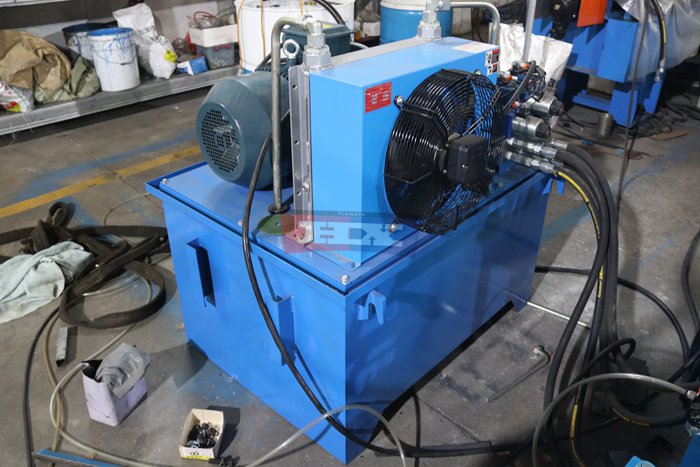
Cold Roll Forming Process for Solar Rails
Cold roll forming is a continuous metal forming process in which steel strip passes through successive forming stages to gradually achieve the required cross-sectional shape. It is widely used for manufacturing long metal profiles with consistent geometry.
For solar mounting rail production, the forming process is determined by the profile structure and raw material specifications. Depending on the product design, the equipment may be configured with corresponding punching, cutting or other processing arrangements.
When selecting a solar mounting rail roll forming machine, manufacturers should consider:
- Rail profile design: Cross-sectional shape, width, height and flange dimensions.
- Raw material: Steel grade, thickness, coil width and material properties.
- Connection requirements: Hole positions, slot dimensions and connection details, if required.
- Product length: Required finished rail length and cutting specifications.
- Production objectives: Expected output and manufacturing process requirements.
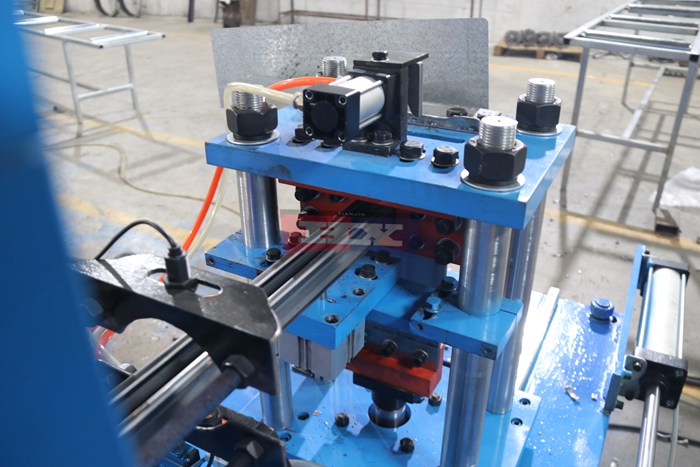
Applications of Solar Mounting Rails
Solar mounting rails are used in photovoltaic systems to support and connect solar panel mounting components. Their specific structure and dimensions depend on the installation method and the design of the complete mounting system.
- Rooftop photovoltaic panel mounting systems
- Commercial and industrial solar installations
- Ground-mounted photovoltaic support structures
- Solar panel mounting rails and connecting profiles
- Customized metal rails for photovoltaic projects
Different solar projects may use different rail profiles. Therefore, manufacturers should confirm the finished product dimensions and connection requirements before selecting production equipment. A profile drawing or physical sample can help establish the correct machine design.
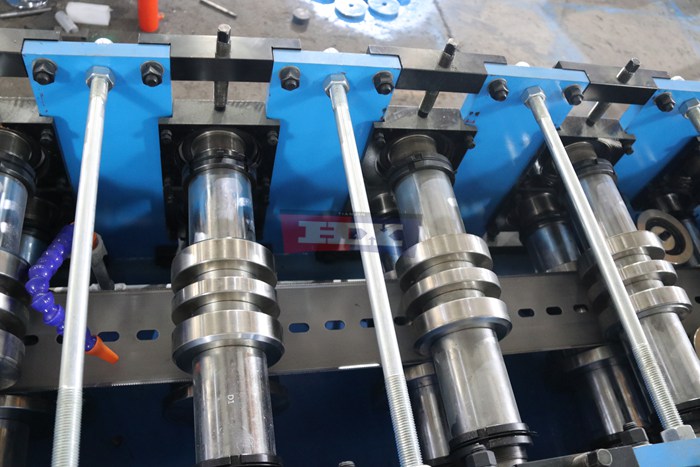
Machine Design Based on Your Rail Profile
Solar mounting rails may have different cross-sections, material thicknesses and connection details. These variations influence the forming process and machine configuration. A machine designed for one rail specification should not automatically be assumed to produce every other profile.
Haixing evaluates customer drawings and manufacturing requirements before discussing a suitable equipment solution. Our customized machine design process focuses on the finished profile, raw material and required production operations.
Machine solutions can be evaluated according to:
- Different solar mounting rail cross-sections
- Specified steel thickness and coil dimensions
- Customized punching or slotting requirements
- Required finished rail lengths
- Production arrangements based on customer requirements
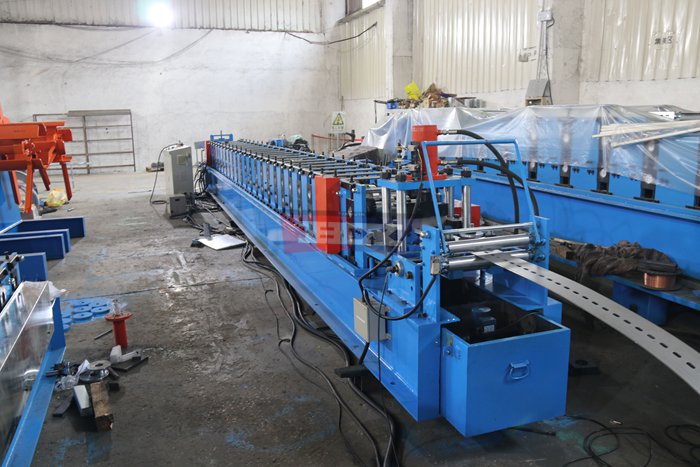
Why Choose Haixing?
Since 1996, Haixing has focused on the development and manufacturing of cold roll forming machinery for different metal profile applications. We provide customized equipment solutions for manufacturers with specific profile designs and production requirements.
For solar mounting rail projects, we focus on understanding the finished product before determining the machine configuration. This approach helps ensure that the proposed equipment is matched to the customer’s actual manufacturing process.
Customers working with Haixing can benefit from:
- Machine design based on customer profile drawings
- Customized solutions for different mounting rail profiles
- Equipment configuration based on material specifications
- Optional processing arrangements according to product requirements
- Technical communication and project support
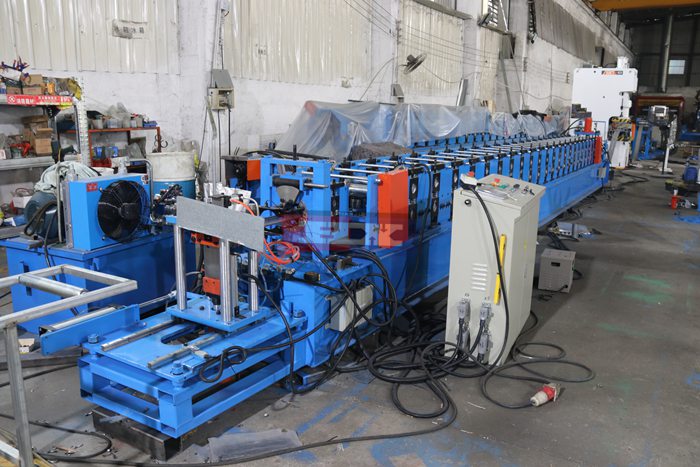
Solar Mounting Rail Roll Forming Machine Manufacturer
Are you planning to manufacture metal mounting rails for photovoltaic systems? Haixing can help evaluate your profile drawings and discuss a suitable roll forming machine solution.
To help us understand your project, please provide:
- Solar mounting rail profile drawing or sample photos
- Material type, thickness and coil width
- Rail dimensions and cross-sectional design
- Punching or slotting requirements, if applicable
- Required product length and production capacity
Send your profile drawings to Haixing today. Our team will review your requirements and discuss a customized solar mounting rail roll forming machine for your production project.
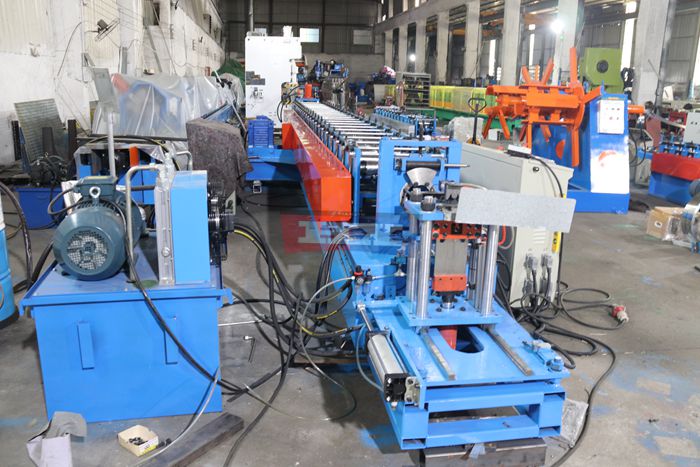
With equipment designed around your actual rail profile, you can establish a manufacturing process suited to your photovoltaic mounting products. Contact Haixing to discuss your project requirements.