C Purlin Machine for Steel Structure Manufacturing | Haixing
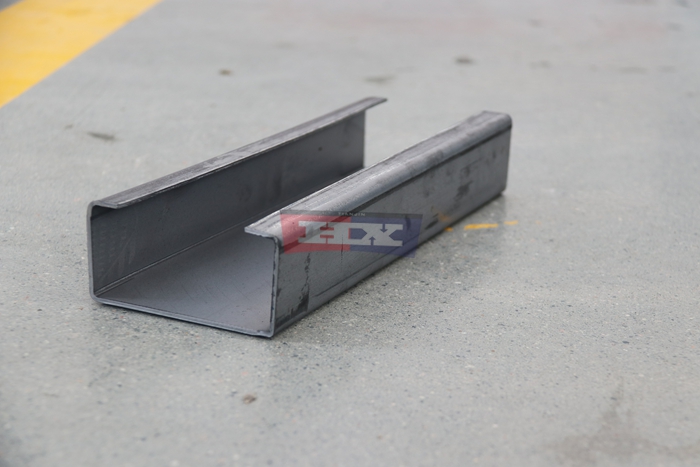
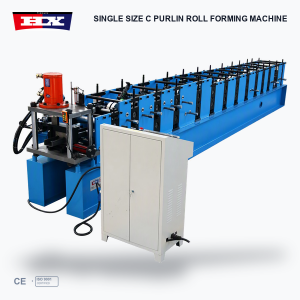
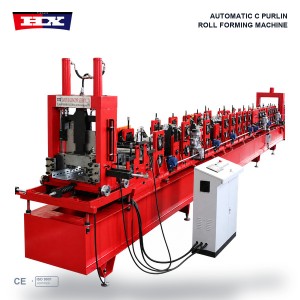
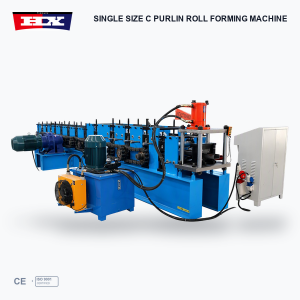
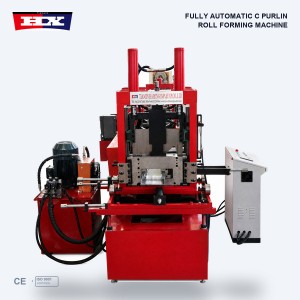
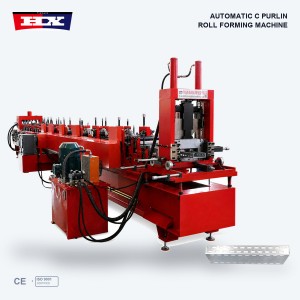
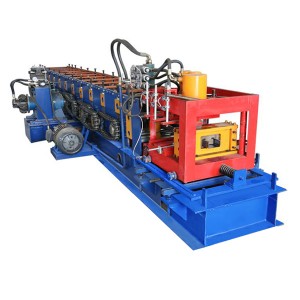
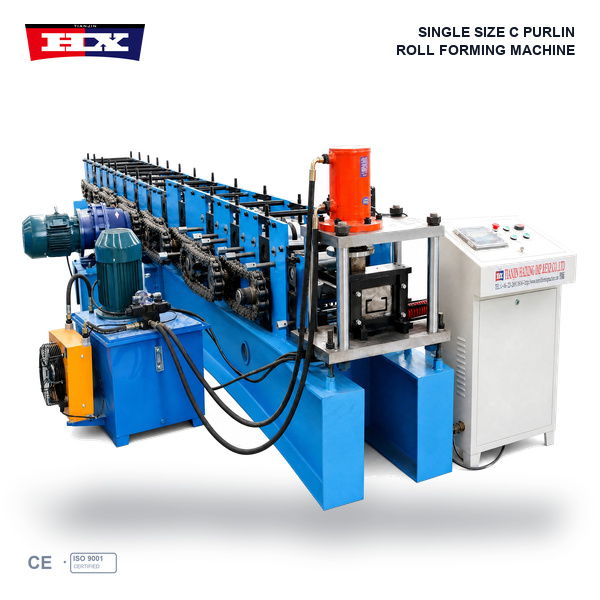
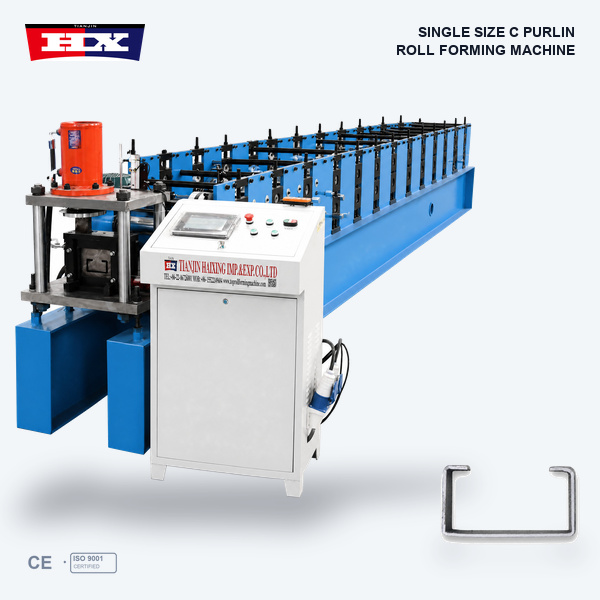
The C purlin machine from Haixing is designed to manufacture cold-formed C-shaped steel purlins used in structural steel buildings. The equipment processes suitable steel coil materials through a series of forming rollers to produce C-section profiles according to the customer’s approved drawings and material specifications.
C-shaped steel purlins are widely used as secondary structural members in industrial warehouses, manufacturing workshops, prefabricated buildings and agricultural facilities. They are commonly installed in roof and wall framing systems, where their dimensions and structural performance must meet the requirements of the building design.
Haixing offers dedicated C purlin forming equipment for manufacturers seeking a practical solution for producing steel building profiles. The machine configuration can be customized according to the required C-section dimensions, material thickness, steel grade and production objectives.
Dedicated C-Shaped Steel Purlin Production
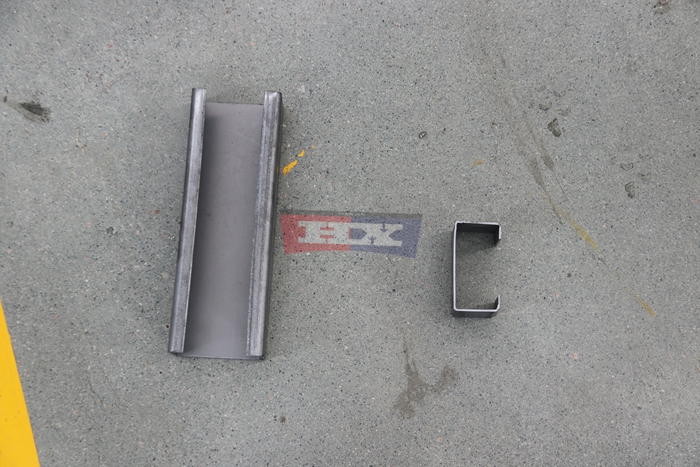
The C purlin machine is designed specifically for manufacturing C-shaped structural steel sections. Unlike combined C/Z or C/U forming equipment, a dedicated C purlin machine focuses on one cross-sectional profile type.
A typical C purlin consists of a central web, two flanges and, where specified, inward-facing lips. These dimensions are determined according to the customer’s approved profile drawing and the intended building application.
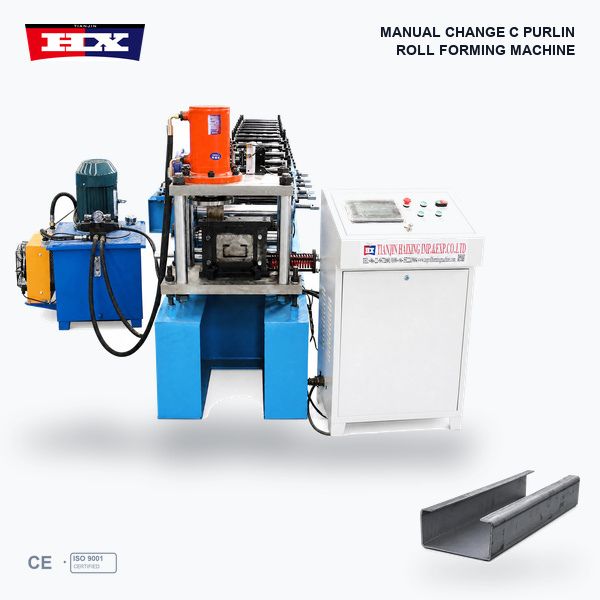
For manufacturers producing a standardized C-section size, a fixed-profile forming machine may be suitable. Where several C-section dimensions are required, an adjustable C-profile configuration can be evaluated separately.
The supported profile dimensions and adjustment method depend on the final machine specifications.
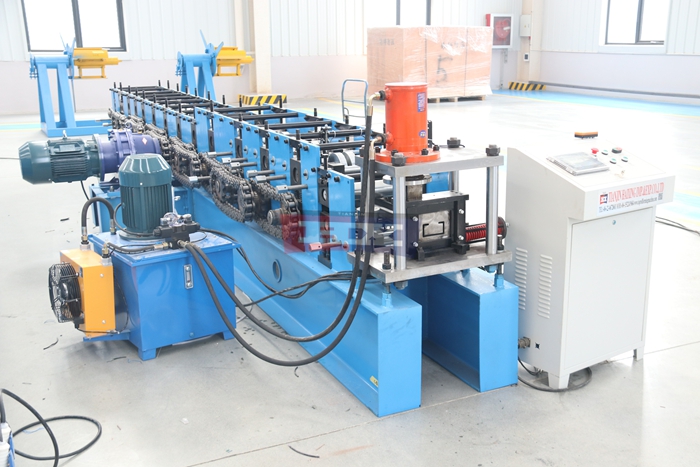
Customized C Purlin Dimensions and Roller Design
Steel construction projects often require C purlins with specific web heights, flange widths, lip dimensions, material thicknesses and finished lengths. Haixing can evaluate customer drawings to determine suitable forming equipment for the required profile specifications.
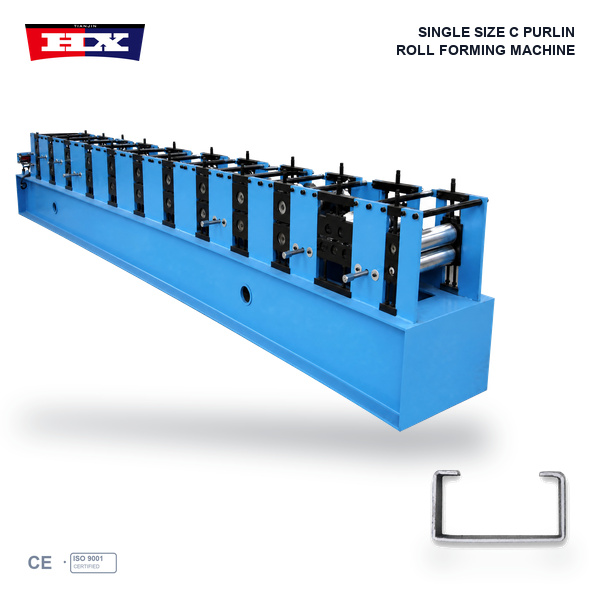
The roller design is developed according to the approved C-section geometry and steel material properties. During production, the forming rollers gradually bend the steel strip into the required cross-section.
Important technical parameters include profile dimensions, steel thickness, coil width, material yield strength and required cutting length. These factors influence the forming station arrangement, roller geometry, drive configuration and cutting system.
Customers should provide detailed C-section drawings and steel material information to confirm the final machine capabilities.
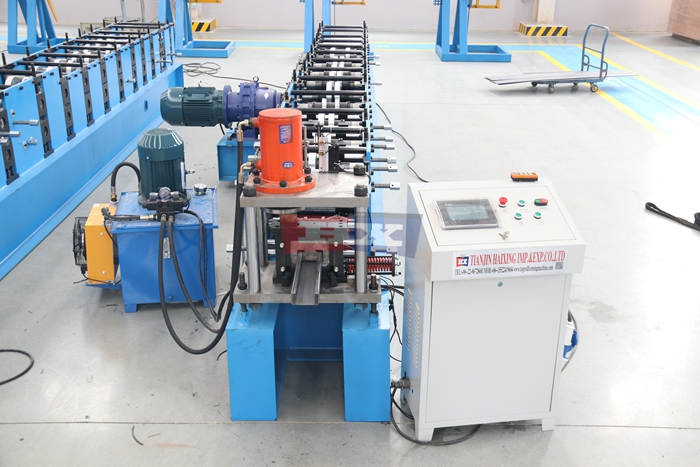
How the C Purlin Roll Forming Process Works
A typical C purlin manufacturing line includes a decoiler, material guiding section, progressive roll forming stations, cutting equipment and a production control system. Optional punching equipment may be integrated when finished C purlins require mounting holes.
During operation, steel coil material is fed into the forming section. The steel strip passes through successive roller stations, where it is gradually shaped into the required C-shaped cross-section.
After forming, the finished C purlins are cut to the specified length. Depending on the selected equipment configuration, cutting lengths and production quantities may be managed through the machine control interface.
The cutting method, punching arrangement and complete processing sequence depend on the approved equipment design.
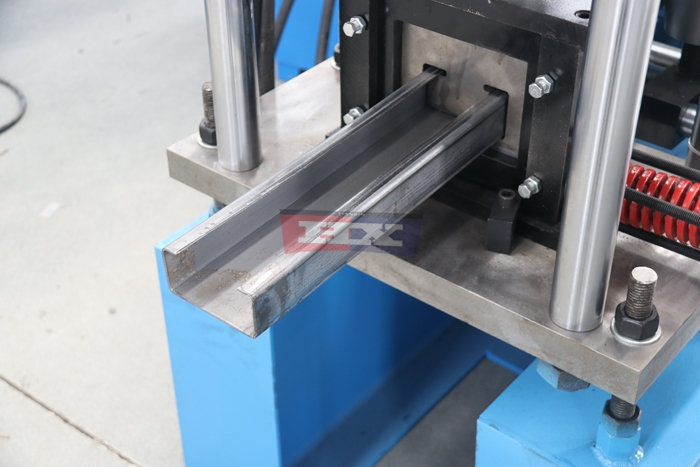
Suitable Steel Materials for C Purlin Manufacturing
The C purlin machine can be configured to process suitable structural steel materials within its approved forming range. Galvanized steel and other compatible steel grades may be considered according to the required profile specifications.
Material thickness, yield strength, coating properties and coil width are important considerations when selecting the forming roller design and machine drive configuration.
Haixing can review customers’ steel material specifications and C-section drawings to discuss suitable forming arrangements and optional processing functions.
Applications of C-Shaped Steel Purlins
C-shaped steel purlins are commonly used in industrial warehouses, manufacturing workshops, prefabricated steel buildings, agricultural facilities and commercial steel structures.
In suitable roof and wall framing systems, C purlins serve as secondary structural members that support building cladding and transfer loads according to the approved structural engineering design.
The appropriate purlin dimensions, steel grade, thickness and installation arrangement depend on the engineering requirements of each building project.
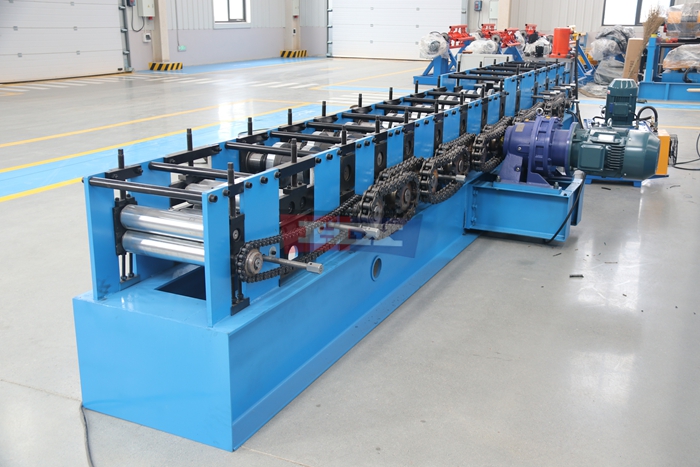
Machine Configuration and Optional Features
Before purchasing a C purlin machine, manufacturers should confirm the required C-section dimensions, material thickness, steel grade, production capacity, punching requirements and cutting method.
Depending on the approved machine configuration, available options may include PLC-based controls, programmable cutting lengths, production quantity counting and customized punching arrangements.
Factory layout, steel coil handling and finished profile collection should also be considered when planning the production facility.
Why Choose Haixing C Purlin Equipment?
Haixing supplies roll forming machinery for steel construction and metal building material manufacturers. Our team supports customers with profile evaluation, equipment configuration, machine manufacturing, factory testing and technical assistance.
For manufacturers focusing on C-shaped structural steel profiles, Haixing can discuss dedicated forming solutions based on the required profile dimensions, material properties and production objectives.
Request a C Purlin Machine Quotation
Looking for a C purlin machine for your steel structure manufacturing business?
Send Haixing your C-section drawings, required dimensions, steel thickness, material grade, optional punching details and expected production capacity. Our team can review your requirements and prepare a customized equipment proposal and quotation.